


Persistent Cough? Discover the Root Cause with Traditional Chinese Medicine and Restore Healthy Lungs
By Physician Phan Ngoc Tam
Why Does a Cough Persist?
Has your cough lasted for more than eight weeks without a clear diagnosis?
Have antibiotics or cough suppressants provided only temporary relief, with symptoms soon returning?
This condition, commonly referred to as chronic cough, may be associated in modern medicine with:
- Post-viral airway hyperresponsiveness
- Postnasal drip syndrome
- Gastroesophageal reflux disease (GERD)
- Allergies and airway hypersensitivity
From the perspective of Traditional Chinese Medicine (TCM), however, a cough is not solely a lung disorder.
An ancient TCM principle states:
"All the Zang-Fu organs may contribute to coughing; it is not exclusively a disease of the lungs."
Rather than viewing cough as an isolated symptom, TCM considers it a signal that the body's Qi, Blood, Body Fluids, and internal organ functions have fallen out of balance.
Understanding Chronic Cough in TCM
The lungs are regarded as the "Canopy of the Body", occupying the highest position among the internal organs and directly communicating with the external environment through the nose and mouth.
Their primary functions include:
- Governing respiration
- Dispersing Defensive Qi
- Descending Lung Qi
When Lung Qi fails to descend properly and instead flows upward, coughing occurs.
A chronic cough often develops because:
- External pathogenic factors were not completely eliminated during the acute stage, or
- The body's Zheng Qi (vital energy or immune resistance) has become weakened, allowing pathogens to linger or leading to internal deficiency disorders.
Common TCM Patterns of Chronic Cough
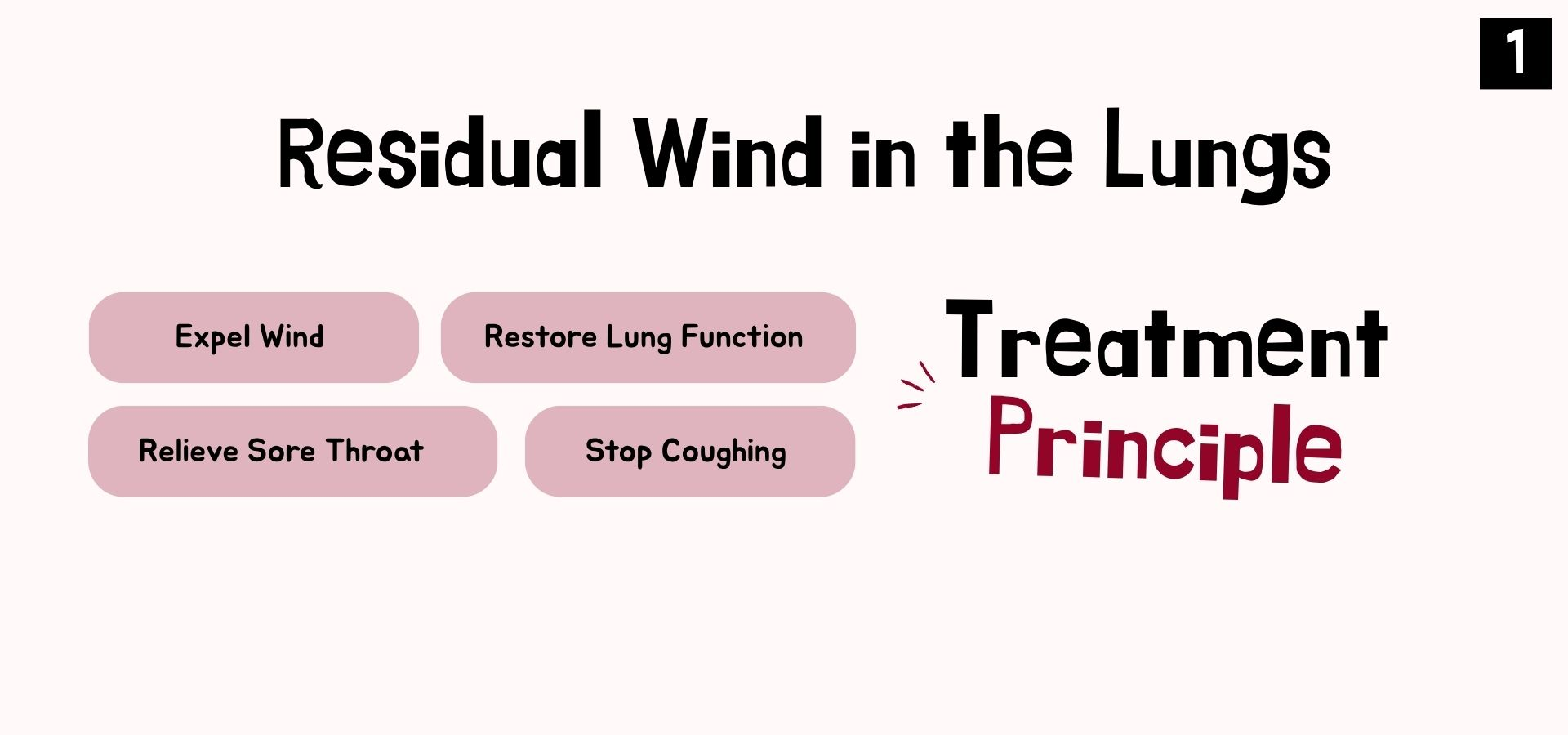
- Residual Wind Pathogen Obstructing the Lungs
Cause
Following a common cold, residual Wind pathogens remain in the throat or airways, impairing the Lung's dispersing function.
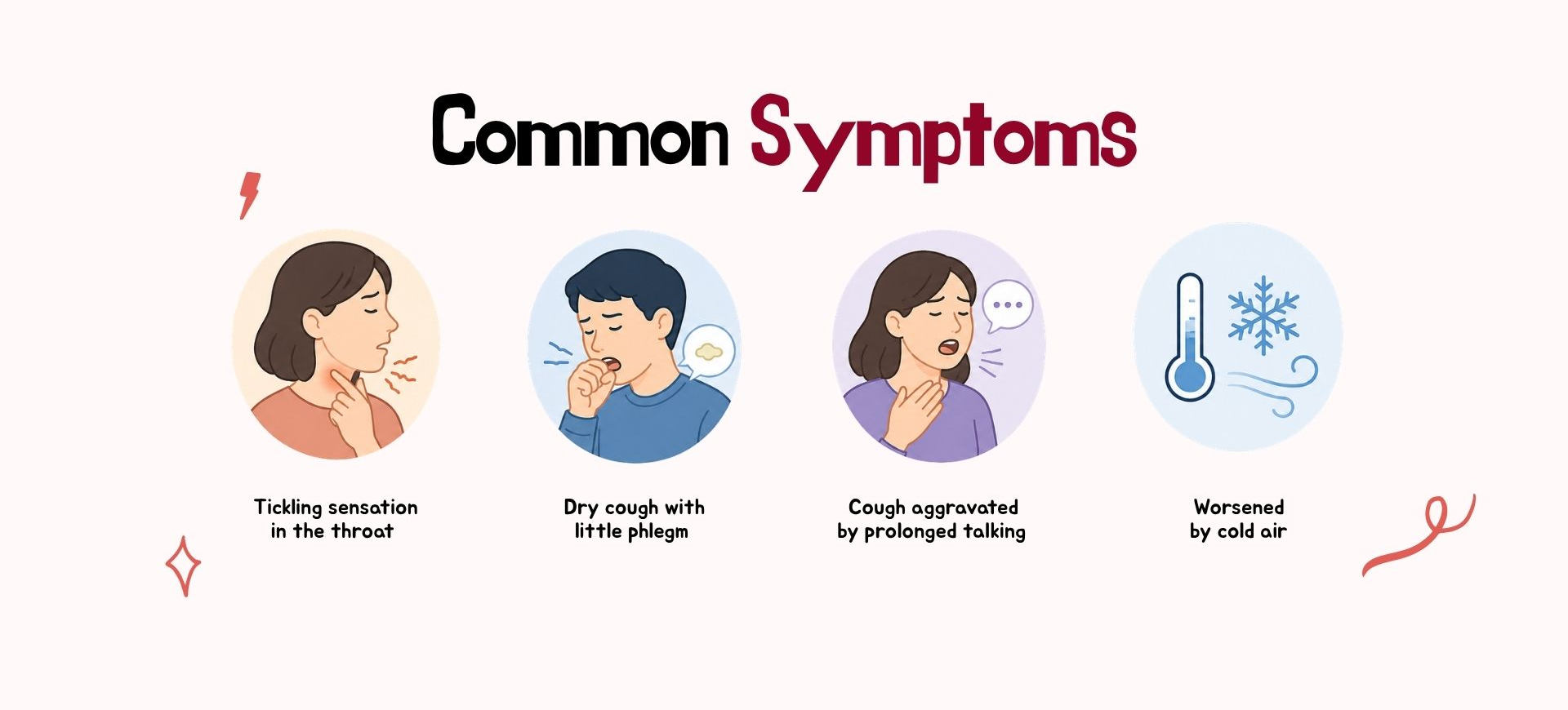
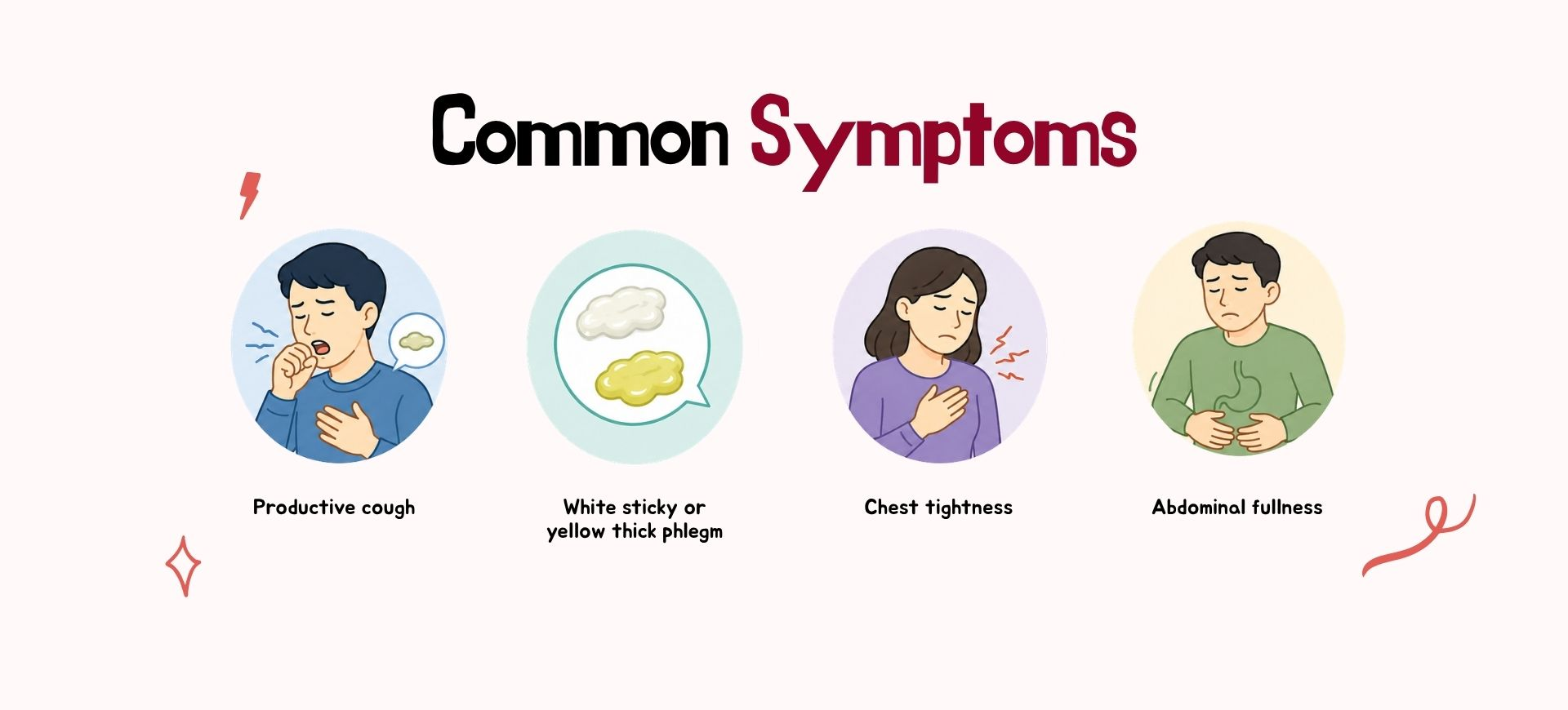
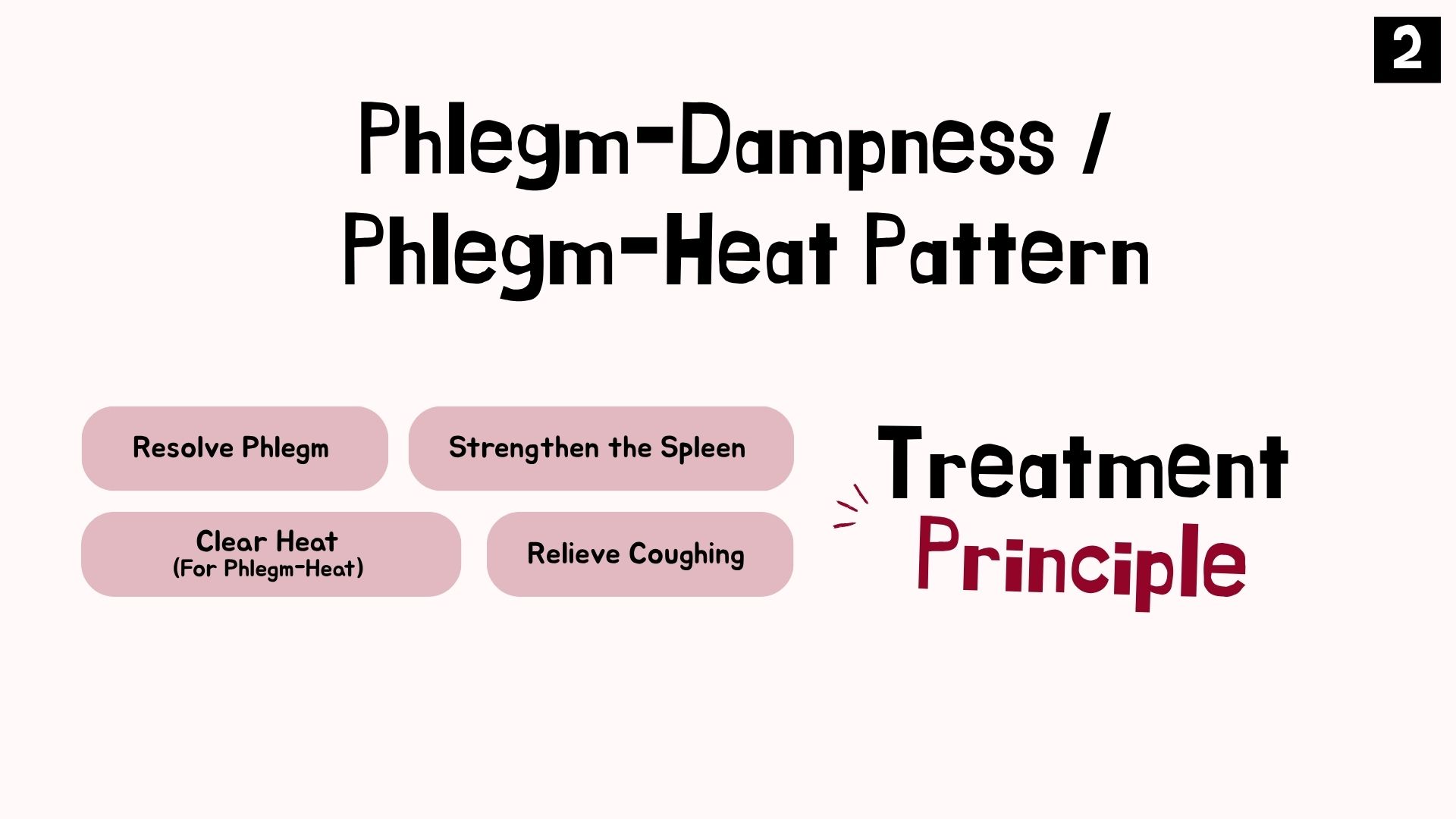
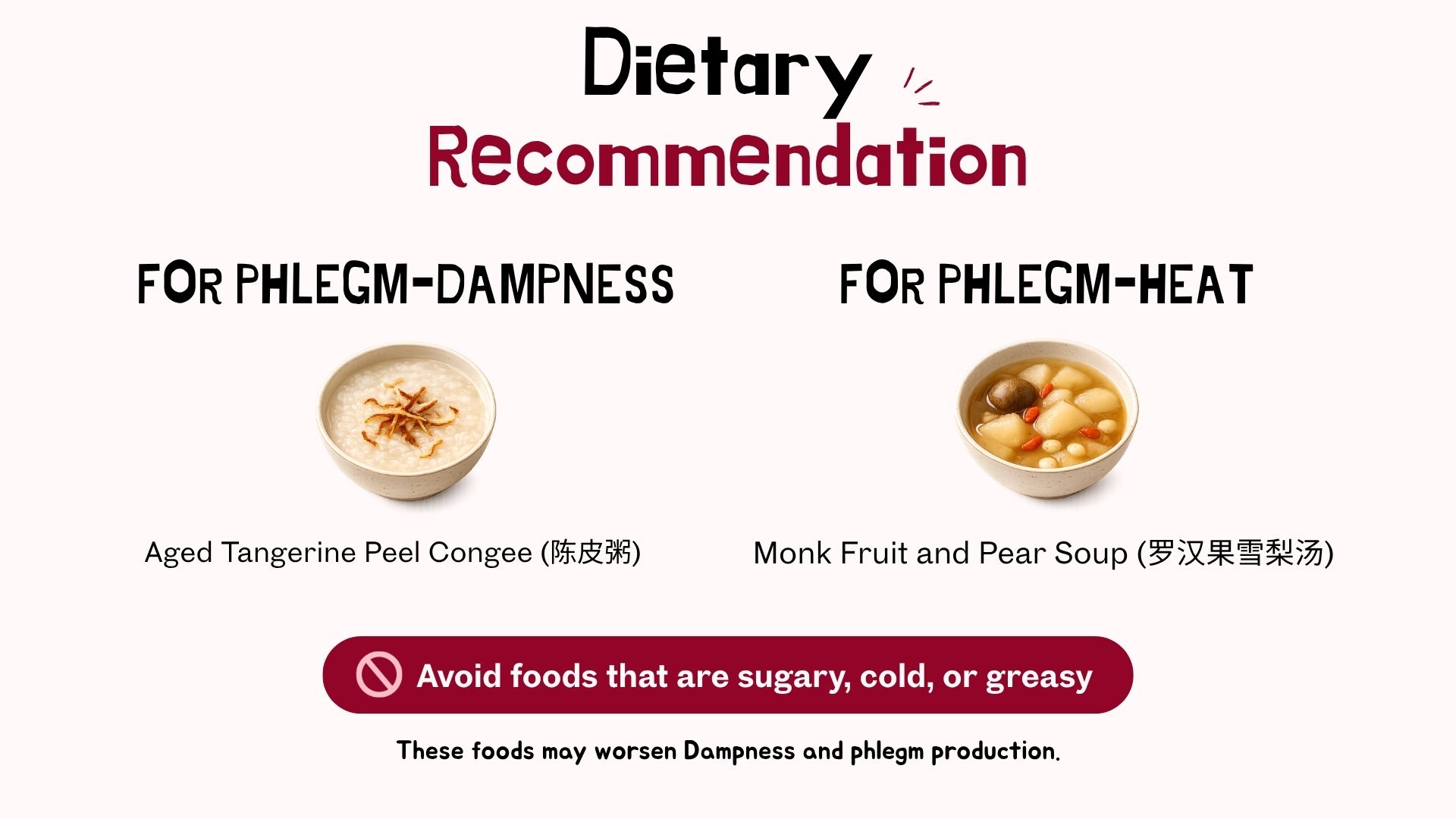
2. Phlegm-Dampness or Phlegm-Heat Accumulating in the Lungs
Cause
Improper diet—especially excessive consumption of cold, greasy, or rich foods—weakens the Spleen.
According to TCM:
- The Spleen is the source of phlegm.
- The Lungs are the organ where phlegm accumulates.
When Dampness accumulates, phlegm forms and obstructs the airways. If Heat develops, phlegm becomes thick and yellow.
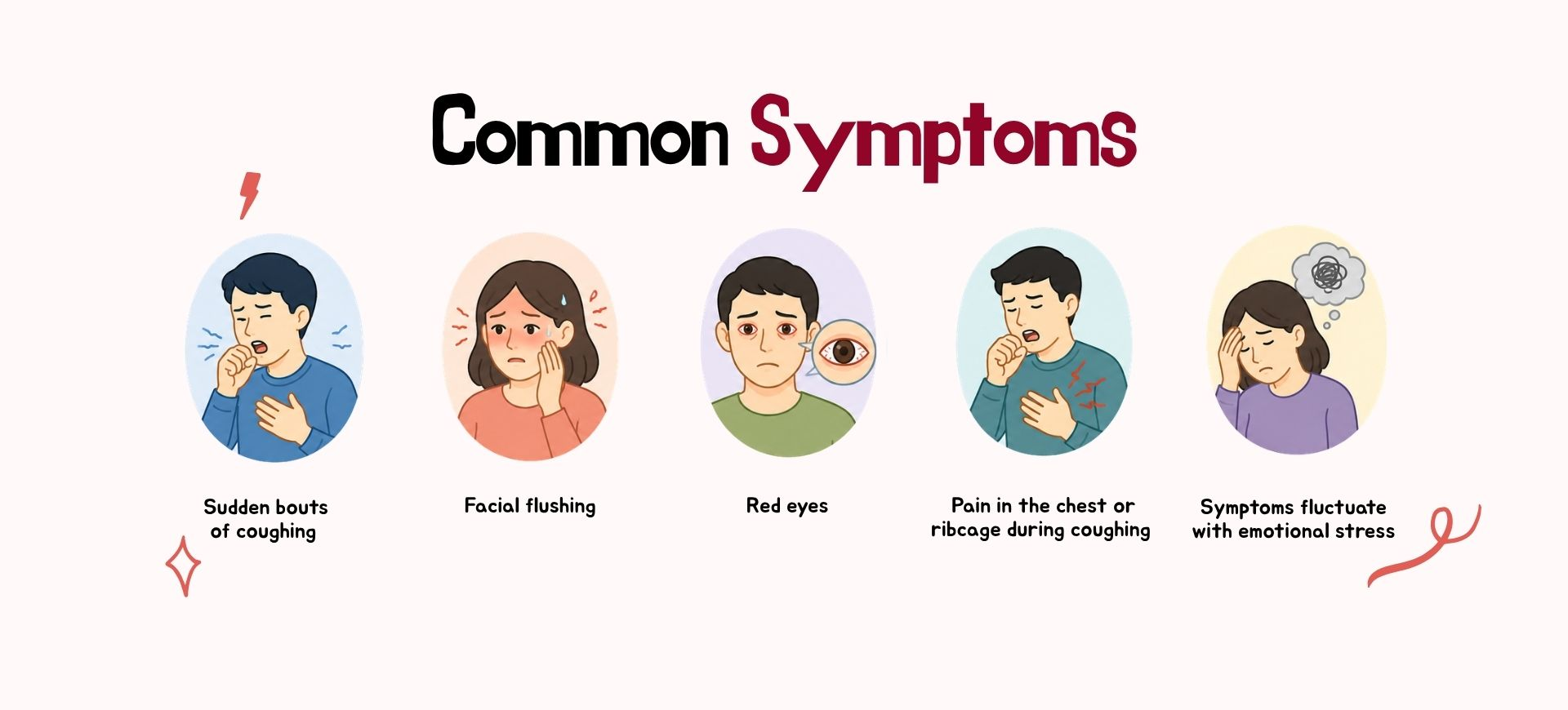
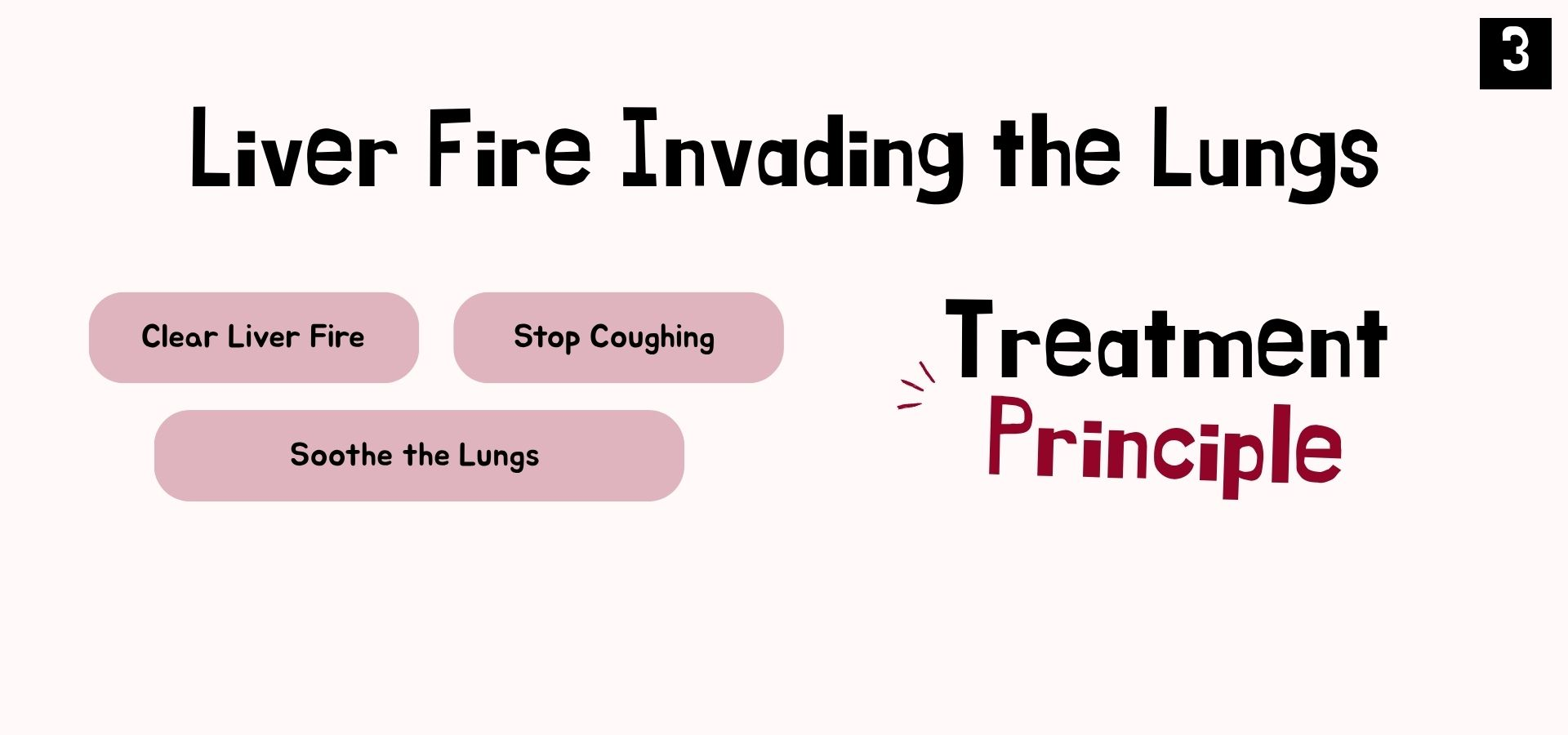
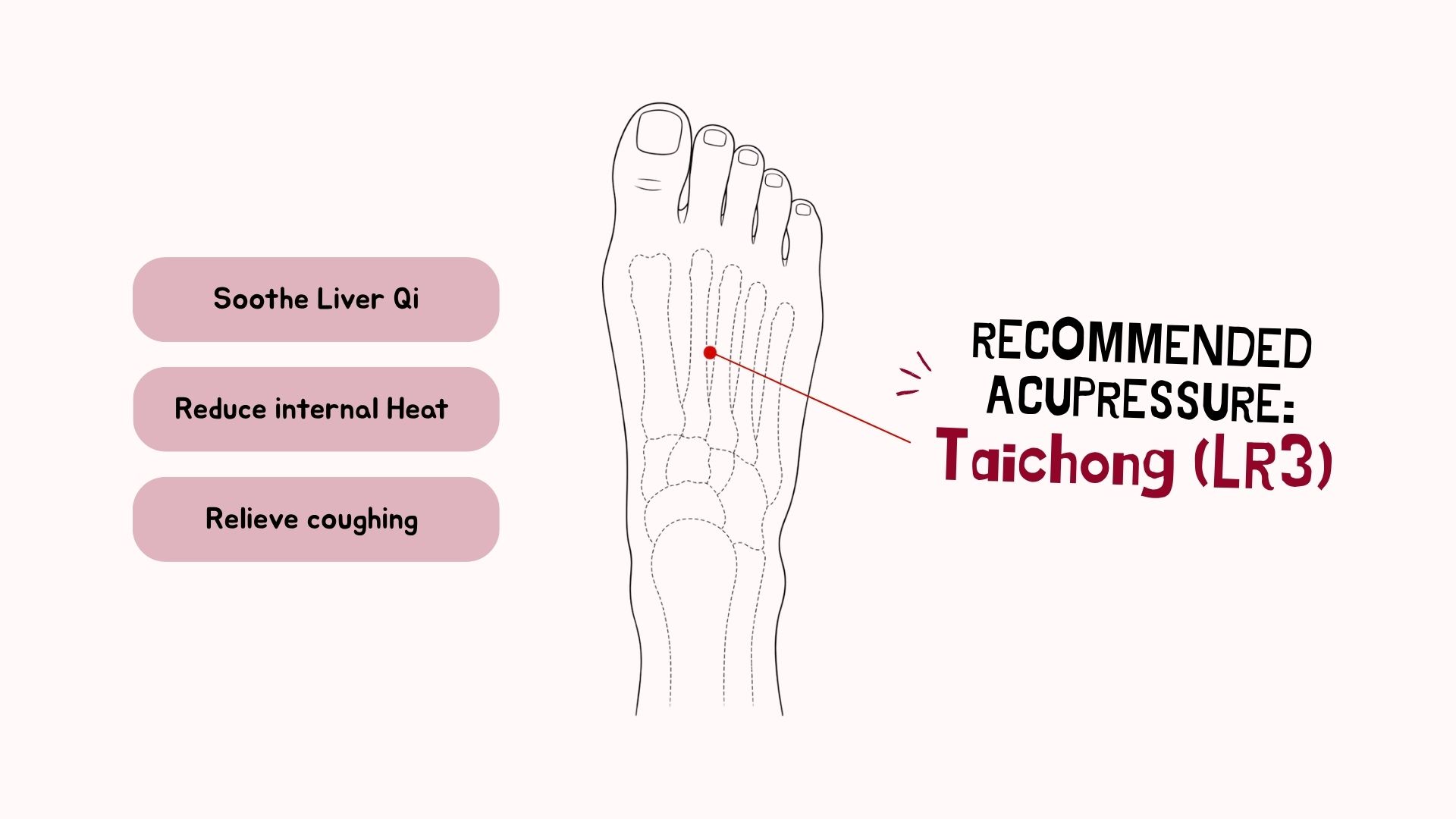
3. Liver Heat Invading the Lungs
(Wood Overacting on Metal)
Cause
Emotional stress and prolonged Liver Qi stagnation generate Liver Heat, which rises to disrupt the descending function of the Lungs.
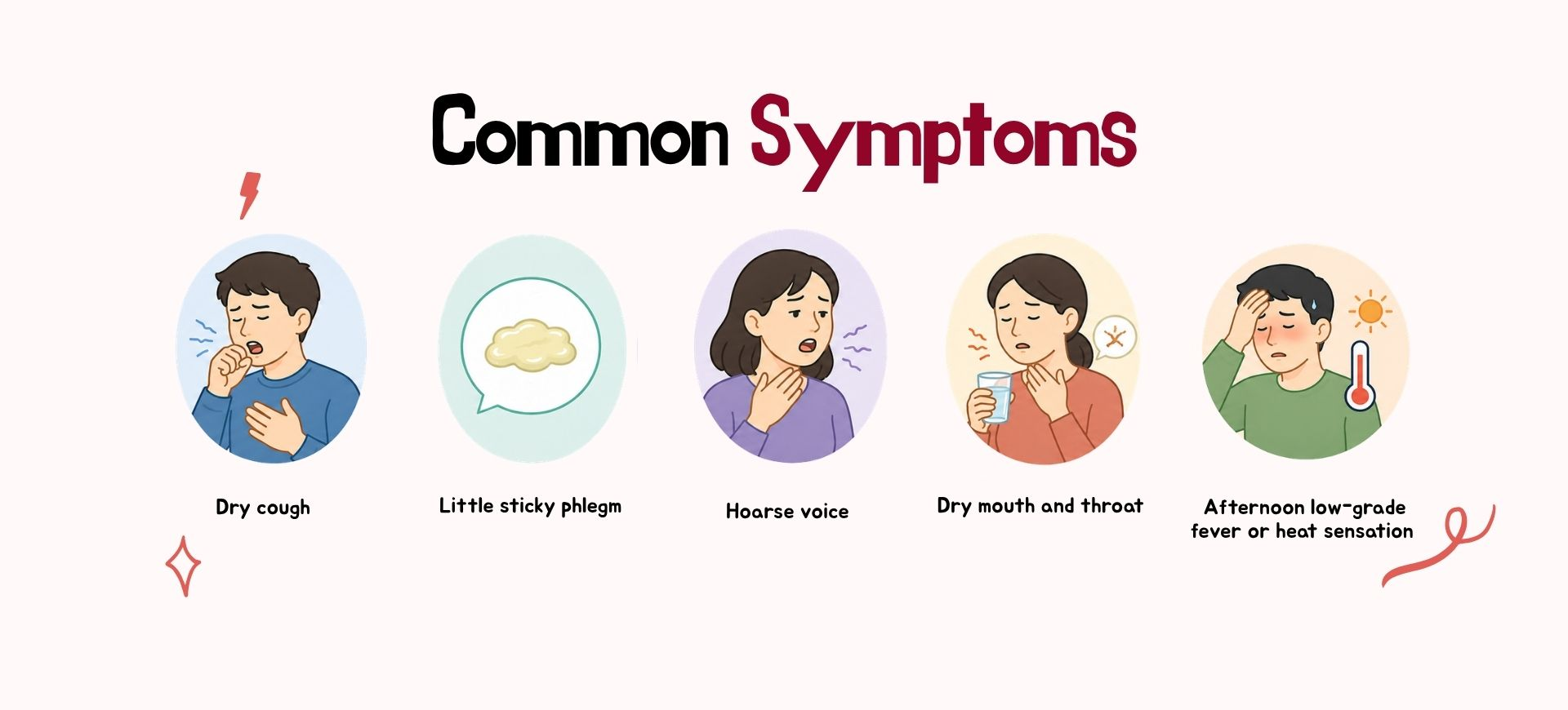
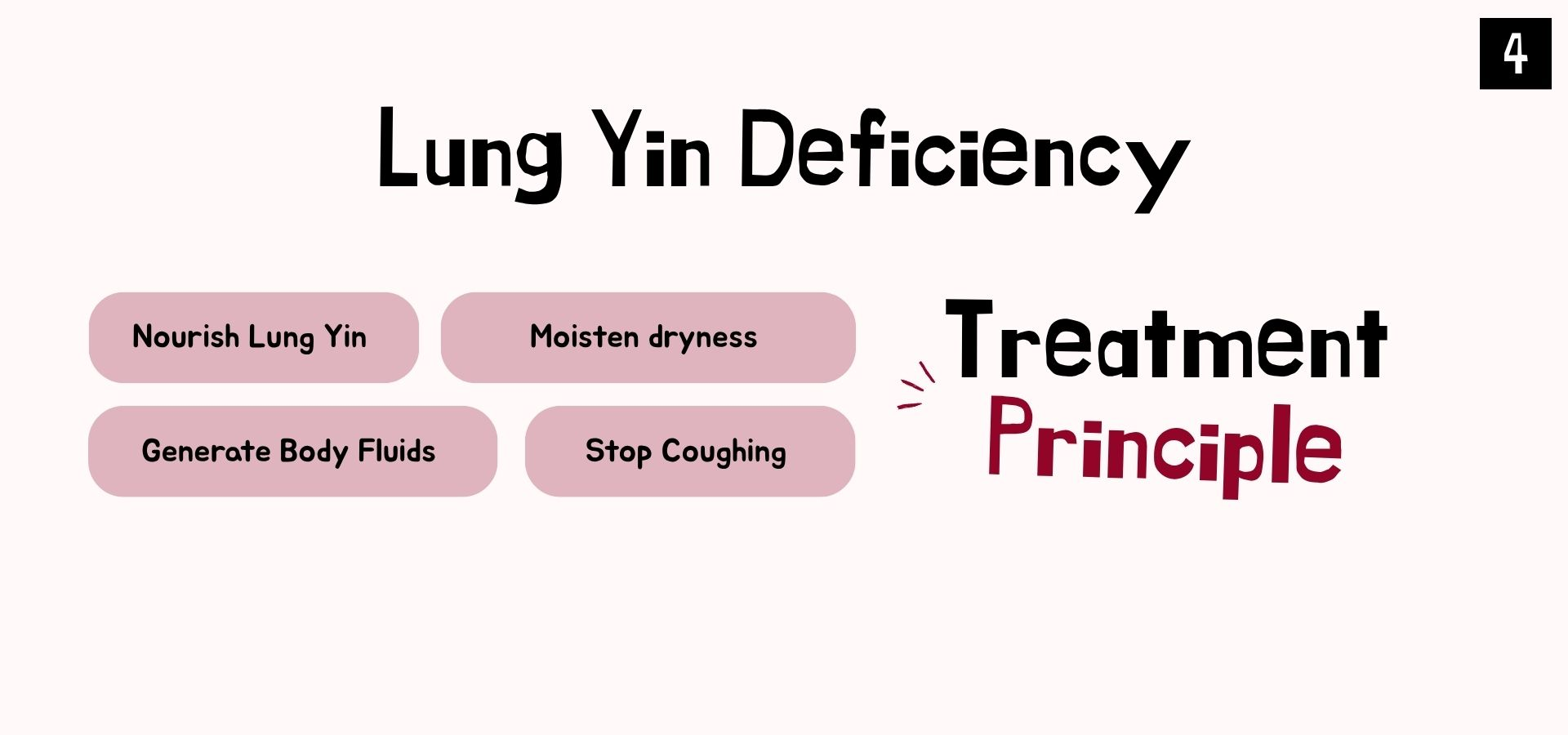
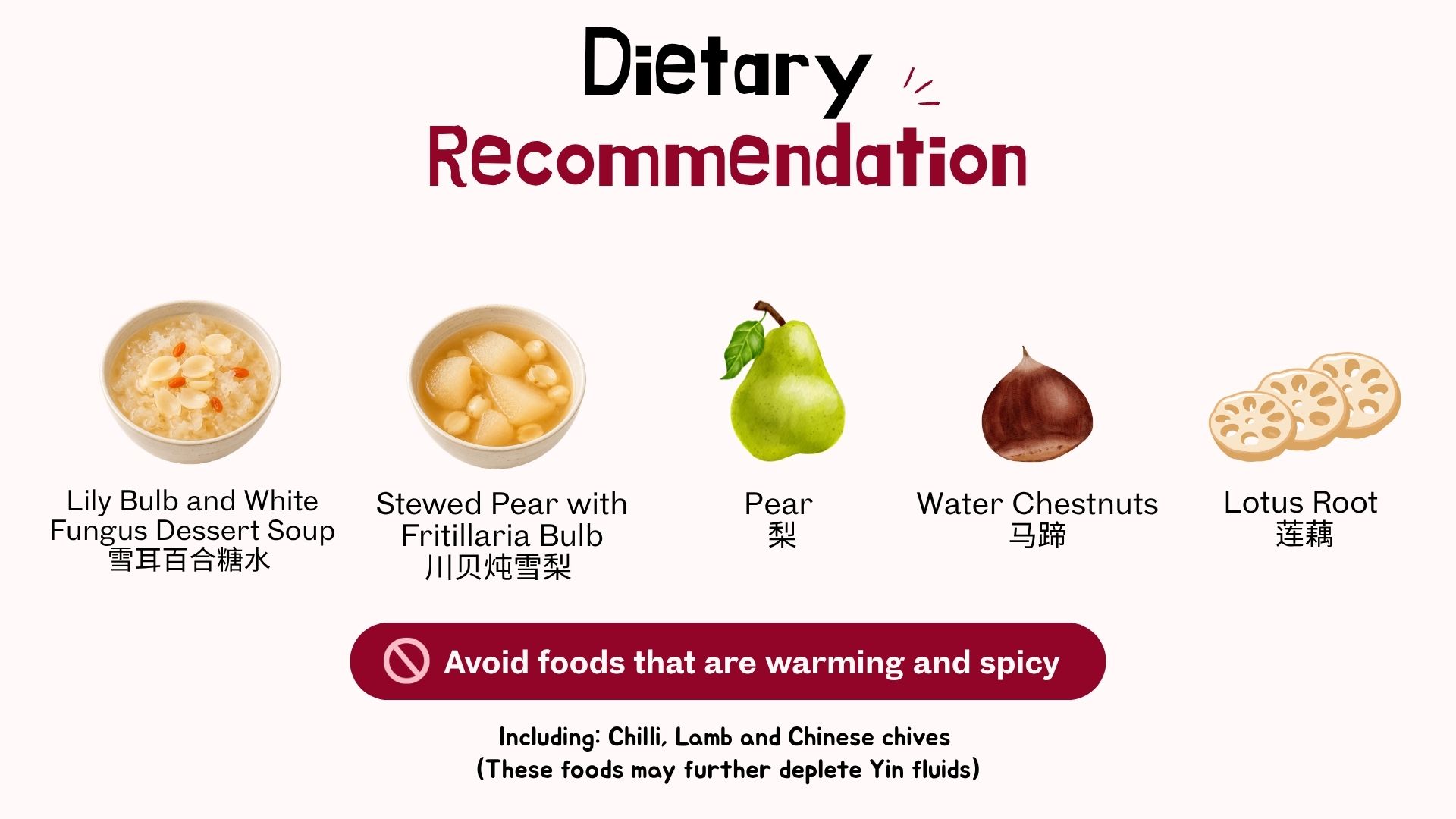
4. Lung Yin Deficiency
Cause
Persistent coughing or febrile illness depletes Lung Yin and Body Fluids.
Without sufficient moisture, deficient Heat irritates the airways.
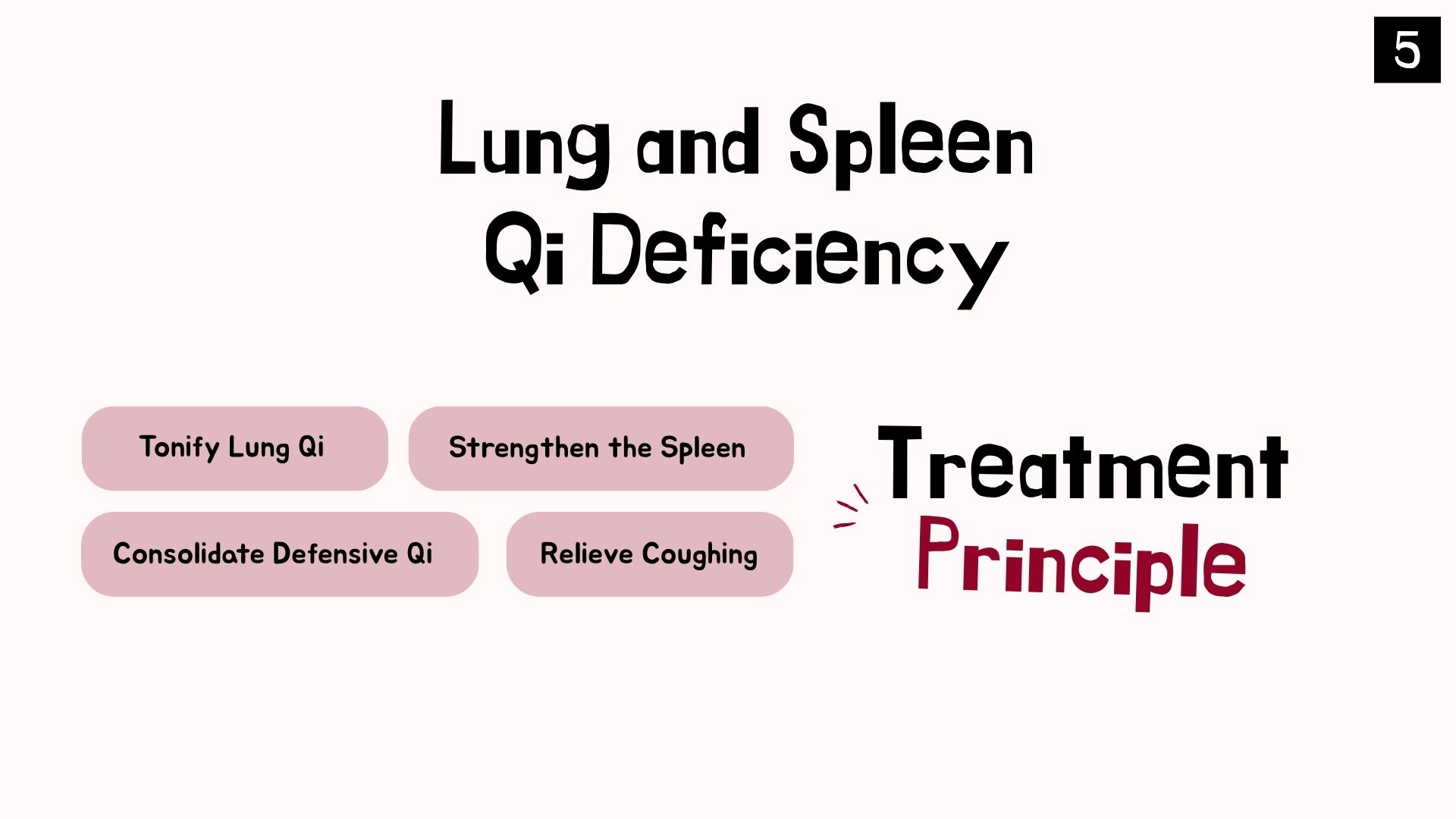
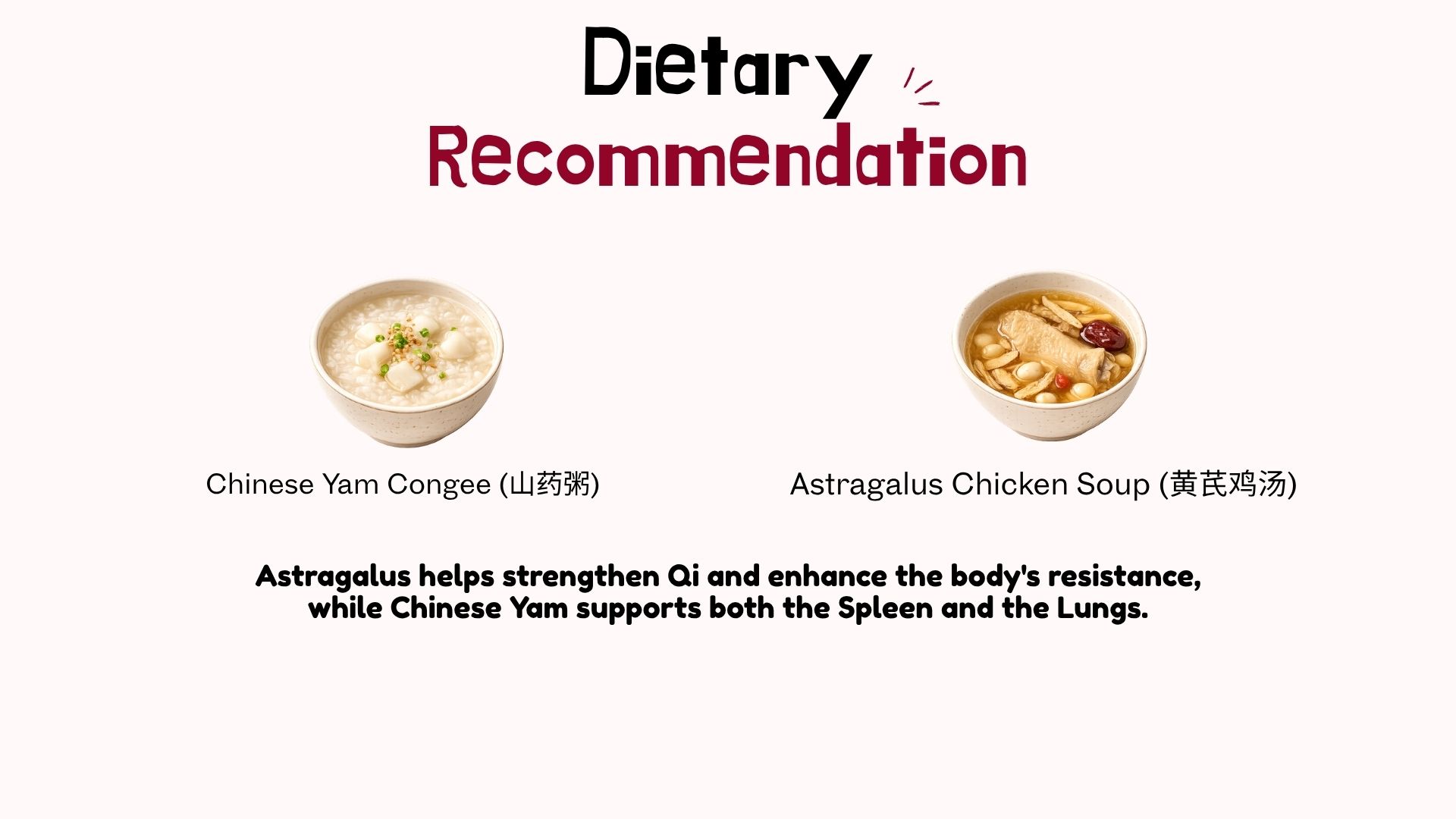
5. Lung and Spleen Qi Deficiency
Cause
A weak constitution or prolonged illness weakens both the Lung and Spleen Qi.
The weakened Lung cannot defend against external pathogens, while Spleen deficiency promotes the formation of Dampness and phlegm.
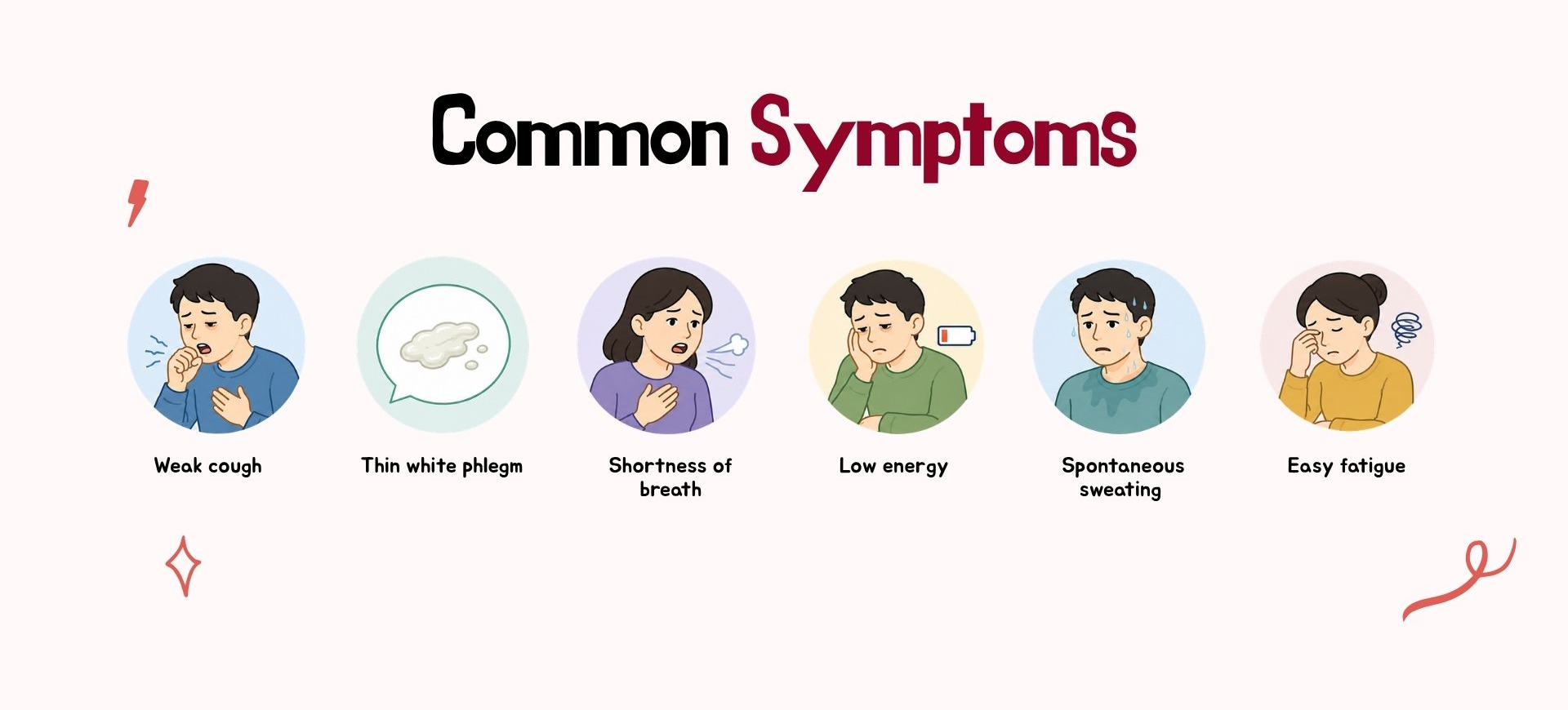
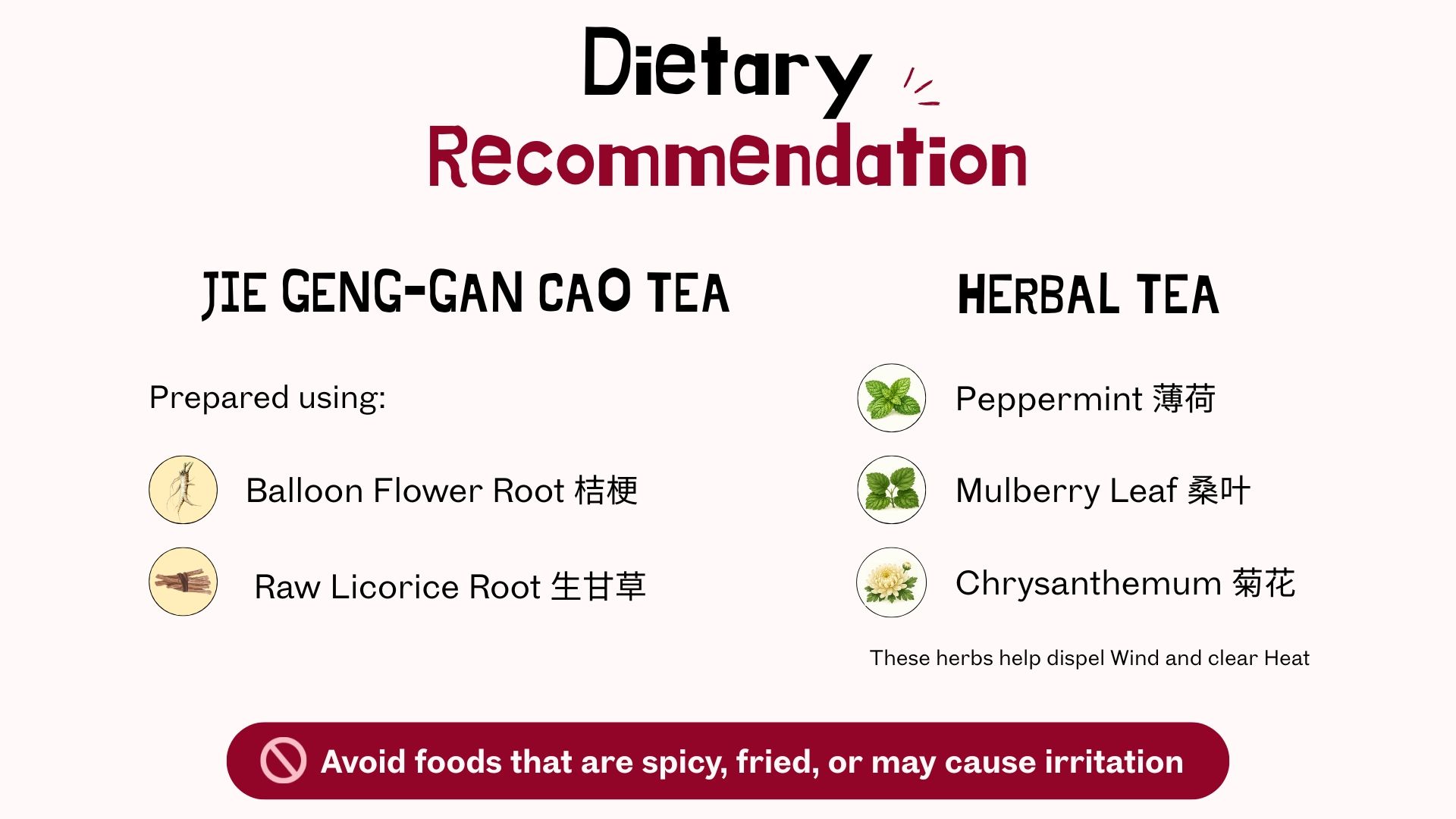
TCM Management Based on Syndrome Differentiation

Three Daily Tips for Healthy Lungs
- Protect Yourself from Cold Exposure
- Keep warm, especially the neck and upper back.
- Reduce exposure to cold wind and sudden temperature changes.
2. Eat Regularly and Protect Digestive Health
Maintaining healthy Spleen function helps prevent the formation of Dampness and phlegm—the underlying source of many chronic coughs.
3. Manage Stress and Exercise Moderately
Maintaining emotional balance helps prevent excessive Liver Fire.
Gentle exercises, such as:
- Walking
- Tai Chi
can help improve Lung Qi circulation and support overall respiratory health.
Conclusion
A chronic cough is much like a tree:
The symptoms appear in the lungs, but the roots may lie elsewhere.
Through comprehensive assessment, including observation, listening, questioning, and pulse diagnosis, TCM identifies the underlying pattern causing your cough.
Rather than merely suppressing symptoms, TCM aims to:
- Restore harmony among the internal organs
- Strengthen the body's vital Qi
- Address the root cause of the illness
By treating both the symptoms and the underlying imbalance, TCM helps relieve persistent coughing and supports healthier, freer breathing.
